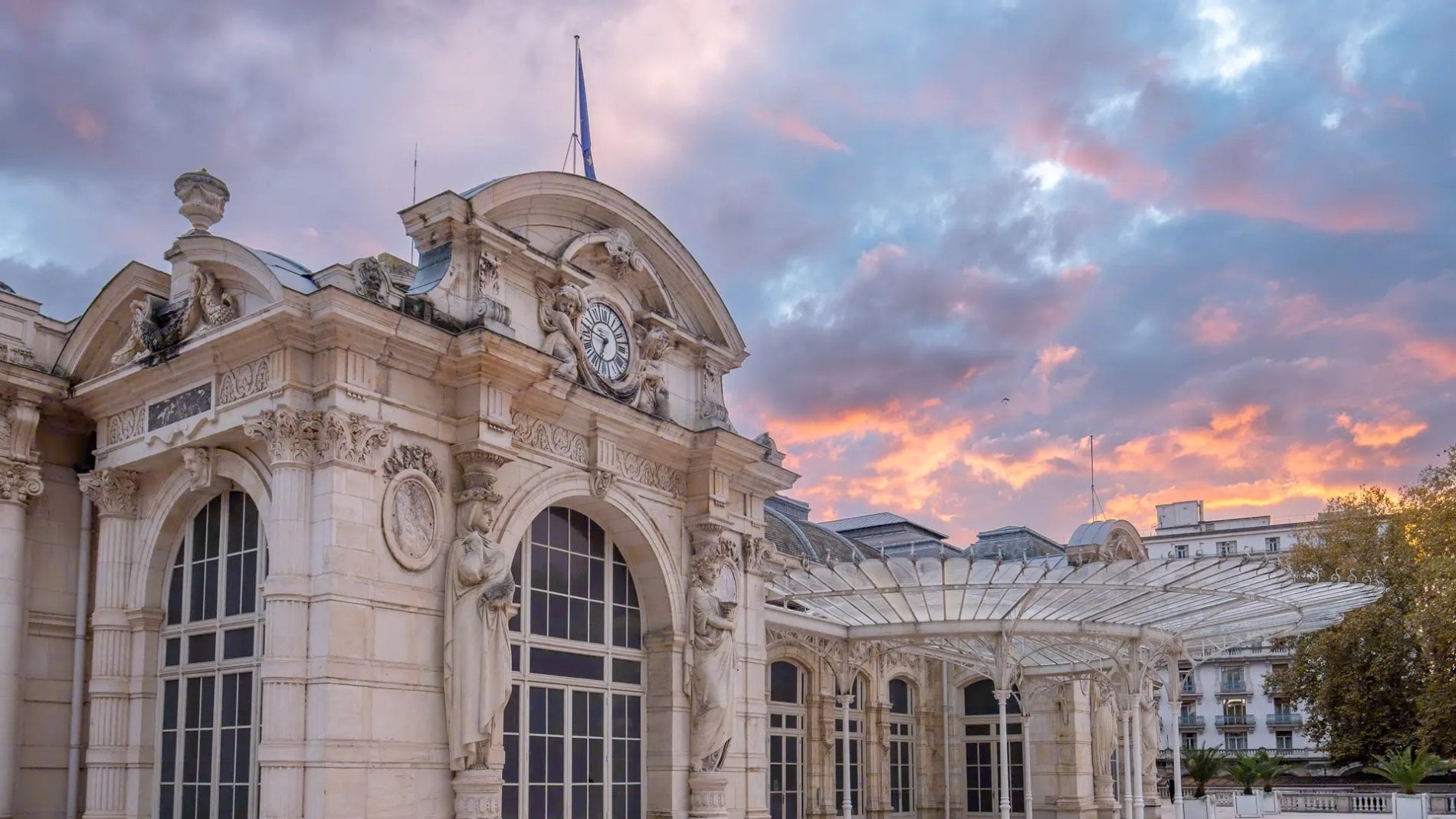
An Art Nouveau masterpiece inaugurated in 1901, theVichy Opera House has a unique history and gilded splendour that has been faithfully restored to its original state and now hosts concerts and shows throughout the year.

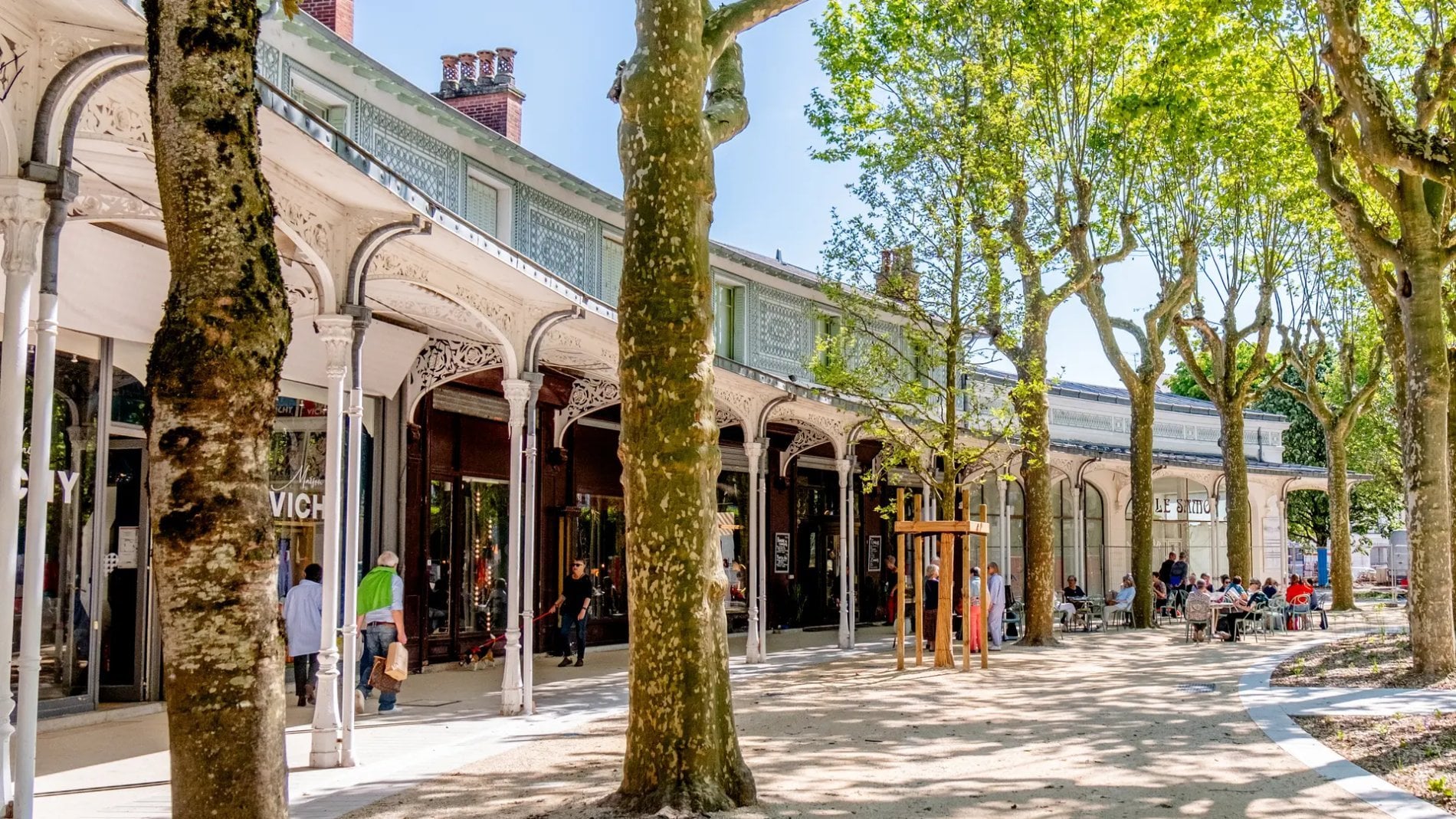
Created under Napoleon I, the Parc des Sources is the historic and fashionable heart of Vichy. Lined with elegant galleries and emblematic buildings, it links the town's main springs in a green and soothing setting. Renovated in 2025, it now combines heritage, nature and modernity.

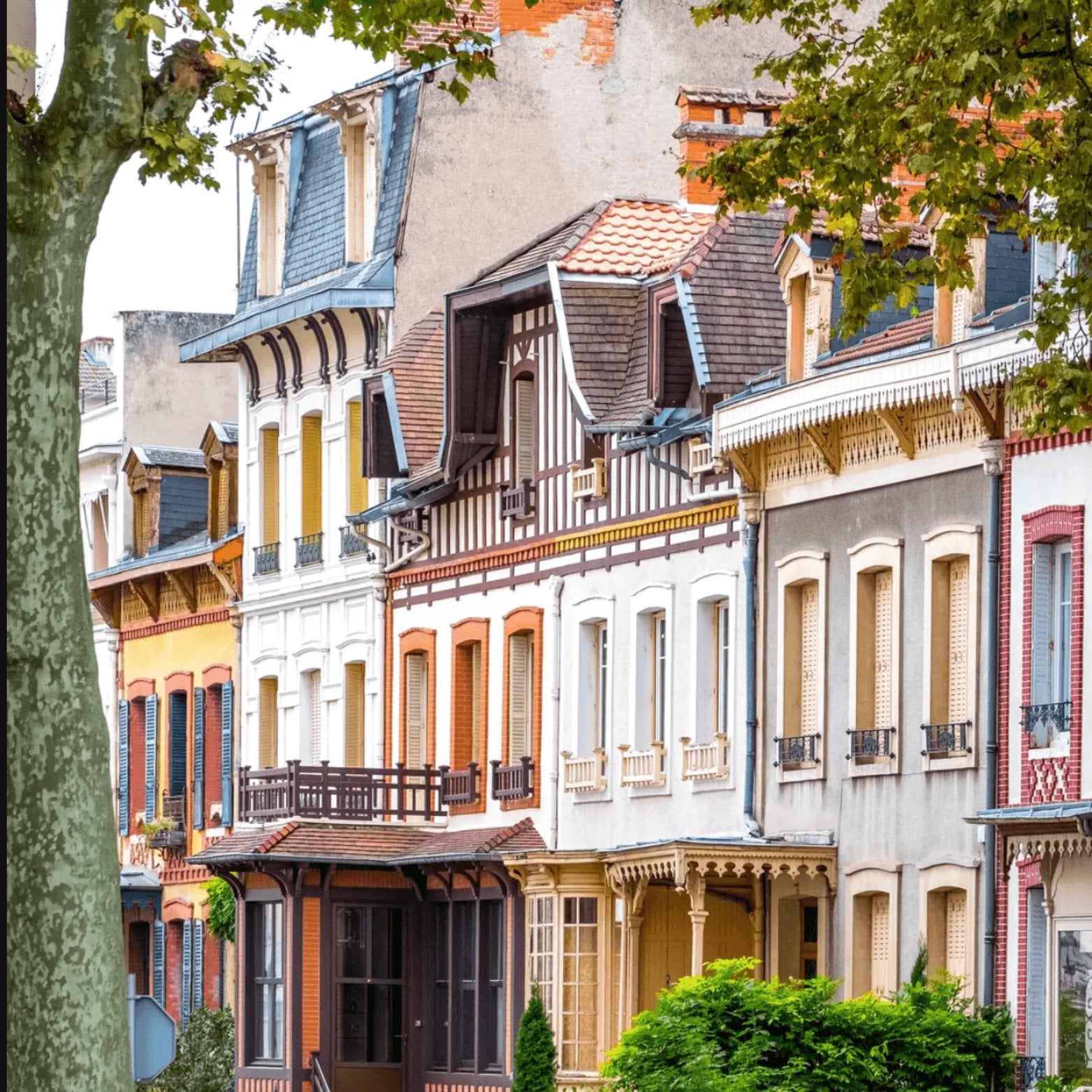
Napoleon III had several imperial chalets built in Vichy from 1863 onwards, models of bourgeois seasonal residences with country charm. Inspired by the Alpine and colonial styles, they line the park and bear witness to the urban and social development of the spa town.

The only one of its kind, the church of Saint-Blaise and Notre-Dame-des-Malades brings together two adjoining buildings, one dating from the 18th century and the other built in the 1930s. This exceptional combination of popular fervour and Art Deco architecture bears witness to the religious and artistic history of Vichy.

Inaugurated in 1865, Vichy's casino overlooks the Parc des Sources with its facade adorned with caryatids. Enlarged at the beginning of the 20th century to accommodate an opera house and party rooms, it was restored in the 1990s and now houses the Palais des Congrès, combining historical heritage and cultural life.

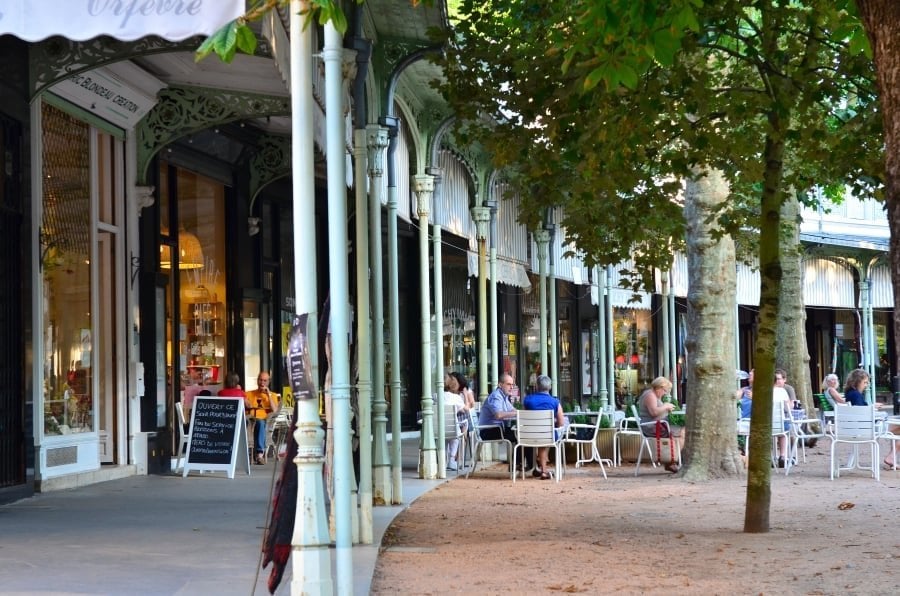
A symbol of the refinement of the Belle Epoque, the Galerie du Fer-à-Cheval surrounds the Parc des Sources with its 26 luxury boutiques. With its elegant architecture and preserved interiors, it bears witness to the commercial effervescence and taste of Vichy at the end of the 19th century.

Rue Alquié is named after the doctor and inspector of the Vichy thermal baths, who ensured that Napoleon III's cures ran smoothly, and features the so-called English villas built in 1864 by Jean Le Faure, who also designed the Saint-Louis church and the Napoleon III chalets.

Quick Response Code